
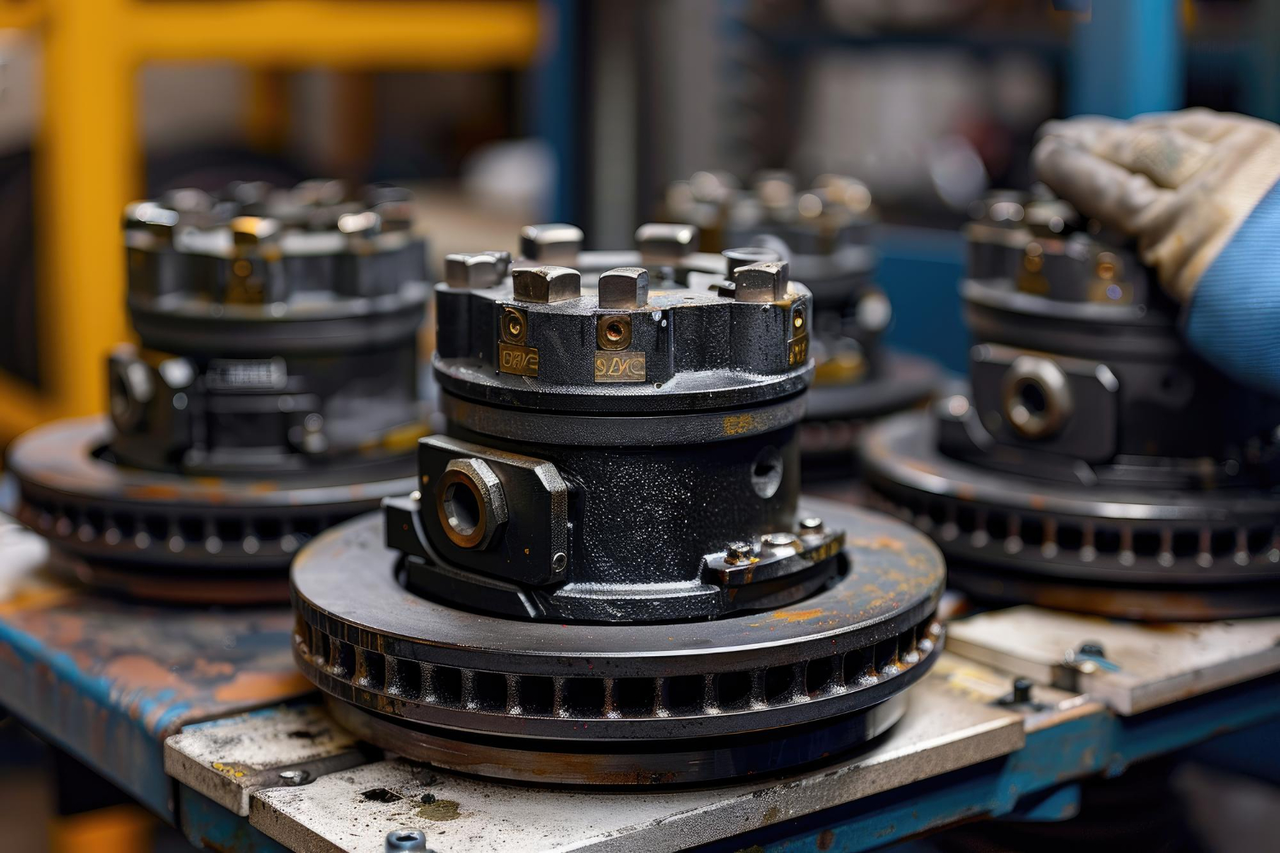
Tag: engine spare parts

Heavy Equipment Spare Parts Planning Before the Monsoon Season in India

Every year it happens. The first few heavy rains arrive, access roads become difficult to navigate, equipment starts operating in wet conditions and maintenance teams suddenly find themselves searching for parts they could have ordered weeks earlier.

Most equipment owners don’t worry about the monsoon when machines are running normally in dry weather.

The conversation usually changes after the rain arrives.

A loader that worked perfectly in May may develop issues in July. Filters clog faster. Moisture finds its way into systems where it doesn’t belong. Components that were already showing signs of wear begin failing sooner than expected.

Planning for heavy equipment spare parts in India before the monsoon season helps businesses reduce equipment downtime, improve maintenance readiness, and keep machines operating in difficult weather conditions.

Early inspection and replacement of critical components can prevent unexpected failures when access to parts and maintenance support becomes more challenging.

The best time to prepare equipment for monsoon conditions is before the first major rainfall, not after a machine is already out of service.


Why Monsoon Season Creates Unique Challenges for Heavy Equipment Operations

Dry weather hides a lot of equipment problems. Monsoon conditions tend to expose them.

Construction sites become muddy. Mining roads become more difficult to maintain. Equipment operates in standing water, high humidity and continuously wet conditions for extended periods.

Machines that normally work without issues may suddenly face additional stress.

Electrical systems are exposed to moisture. Air filtration systems work harder. Lubricants may become contaminated. Cooling systems face different operating conditions than they did during the summer months.

Anyone responsible for equipment fleets during the monsoon season understands that breakdowns can become more difficult to manage. Reaching a machine may take longer. Repair work often takes place in less-than-ideal conditions. Delivering replacement parts to remote locations can become more complicated.

That’s why preparation matters. The equipment that performs best during monsoon season is usually the equipment that received attention before the rain arrived.


Heavy Equipment Components Most Affected by Rain, Mud, and Moisture

Not every component reacts to wet conditions in the same way. Some parts handle seasonal changes relatively well. Others become more vulnerable once moisture, mud, and contamination enter the picture.

Filters are often among the first components affected. Increased dust mixed with moisture can reduce efficiency and accelerate contamination issues.

Electrical connectors and sensors can also experience problems when exposed to prolonged wet conditions. Small issues that may go unnoticed during dry weather can become far more obvious during the monsoon season.

Hydraulic systems face additional challenges as well. Water contamination can affect performance and contribute to premature component wear if not addressed quickly.

Undercarriage components often work in some of the harshest conditions. Mud, standing water, and abrasive materials can increase wear rates and make inspections more important than ever.

Most maintenance teams have seen the pattern before. Equipment that enters monsoon season with existing wear issues tends to require more attention once weather conditions become difficult.


Essential Heavy Equipment Spare Parts to Inspect Before the Monsoon

Preparation starts with identifying components that are already approaching replacement intervals.

Waiting until failure occurs rarely works in your favour when weather conditions are making maintenance work more difficult.

Some of the most important components to inspect before monsoon operations include:

  • Air filters
  • Fuel filters
  • Hydraulic filters
  • Belts
  • Hoses
  • Seals and gaskets
  • Electrical connectors
  • Bearings
  • Cooling system components
  • Transmission-related components

Many maintenance managers also review stock levels before the rainy season begins. If a part fails during peak monsoon conditions, sourcing delays may be longer than usual.

Inspection programs are often most effective when they focus on components with a known history of wear. Equipment records, previous maintenance reports, and operator feedback can provide valuable insight into which parts deserve immediate attention.

A few hours spent inspecting equipment in advance can save several days of disruption later.


Importance of Engine Parts, Filters, and Transmission Components During Monsoon Operations

Certain systems deserve additional attention before the weather changes.

Engine spare parts are one example.

Engines depend on clean air, clean fuel, proper cooling, and reliable lubrication. Monsoon conditions can increase the likelihood of contamination entering critical systems if maintenance requirements are ignored.

Filters for heavy equipment become particularly important during this period. Air filters, fuel filters, and hydraulic filters all play a role in protecting equipment from contaminants that can affect performance and reliability.

Transmission systems also operate under demanding conditions throughout the rainy season.

Water, mud, and difficult terrain can place additional strain on equipment movement and drivetrain components. Small transmission issues that may seem manageable during dry conditions can become much more noticeable once operating environments become more challenging.

Maintenance teams often discover that equipment reliability during monsoon season is heavily influenced by work completed before the rain began.


How Preventive Spare Parts Planning Reduces Equipment Downtime

Nobody enjoys ordering emergency parts.

The costs are higher. The pressure is greater. The available options are usually fewer.

Preventive spare parts planning changes that situation.

Instead of reacting to failures, maintenance teams can prepare for known replacement requirements in advance. Components showing signs of wear can be replaced during scheduled maintenance windows rather than during unexpected breakdowns.

This approach often reduces equipment downtime and improves equipment availability during critical operating periods.

It also creates better visibility into future maintenance requirements.

One fleet manager described preventive planning as buying time before you actually need it. That’s a good way to look at it.

When equipment failures occur during severe weather conditions, every hour matters.


Spare Parts Inventory Strategies for Construction and Mining Companies

Inventory planning becomes especially important before monsoon season.

The objective is not filling warehouses with unnecessary stock.

The objective is identifying which components would create the biggest operational problems if they became unavailable.

Many construction and mining companies classify spare parts according to criticality. Components with long lead times or a history of frequent replacement often receive higher priority.

Several practices are commonly used:

  • Maintaining critical spare parts lists
  • Reviewing historical maintenance records
  • Monitoring seasonal failure patterns
  • Identifying long lead-time components
  • Coordinating with suppliers before peak demand periods
  • Tracking inventory consumption trends

Companies that perform these reviews before monsoon season often experience fewer surprises once conditions become more demanding.

The parts that create the biggest disruptions are usually known in advance.

The question is whether planning takes place before those disruptions occur.


Preparing Equipment Maintenance Teams for Monsoon Conditions

Monsoon preparation isn’t limited to equipment. People matter too.

Maintenance teams frequently work in more challenging environments during the rainy season. Access conditions change. Inspection routines become more important. Response times may be affected by weather and site conditions.

Preparation often includes reviewing maintenance schedules, confirming spare parts availability, updating inspection procedures, and identifying equipment that may require additional monitoring.

Operators also play an important role.

The people using equipment every day are often the first to notice unusual sounds, performance changes, warning indicators, or early signs of wear.

When communication between operators and maintenance teams is strong, problems are usually identified earlier.

That becomes especially valuable during monsoon operations.


Why Mantra Enterprise LLC Helps Businesses Stay Operational During Monsoon Season

Monsoon conditions create challenges that many equipment owners know well. Delays become more expensive. Equipment failures become more disruptive. Sourcing replacement components can become more complicated.

Mantra Enterprise LLC supports customers by supplying parts for a wide range of heavy equipment applications through its OEM and aftermarket sourcing network.

The company helps businesses access components for construction, mining, industrial, and earthmoving equipment operating in demanding conditions throughout the year.

Anyone responsible for equipment availability understands the reality of monsoon season. The best time to look for a critical replacement part is before it becomes urgent.

That’s why preparation remains such an important part of equipment management.

A machine waiting for a component during peak operating periods rarely benefits anyone.


What Most People Ask About Heavy Equipment Spare Parts Before Monsoon Season

Q: Why is monsoon preparation important for heavy equipment?

A: Monsoon conditions expose equipment to moisture, mud, contamination, and difficult operating environments. Components already showing signs of wear are more likely to experience issues once equipment begins working in wet conditions. Preparing before the rainy season helps reduce unexpected failures.

Q: Which heavy equipment parts should be inspected before monsoon season?

A: Air filters, fuel filters, hydraulic filters, belts, hoses, seals, bearings, cooling system components, electrical connections, and transmission-related parts should all be reviewed before monsoon operations begin.

Q: Why are filters for heavy equipment important during the rainy season?

A: Filters for heavy equipment help protect engines, hydraulic systems, and fuel systems from contaminants. During monsoon conditions, moisture and debris can increase contamination risks, making filter performance even more important.

Q: What should businesses look for in a heavy equipment parts supplier?

A: Businesses typically evaluate inventory availability, technical support, OEM and aftermarket options, delivery capability, product quality, and industry experience. During monsoon season, reliable access to replacement components becomes especially valuable when equipment availability directly affects operations.

Monsoon season arrives every year. Equipment problems don’t have to.

The companies that experience fewer disruptions are usually not the lucky ones. They’re the ones that inspected the machines, reviewed the inventory, and planned ahead before the clouds arrived.

How Reliable Transmission Parts Improve Heavy Equipment Efficiency in the USA

I spent three grueling days last winter stuck in a freezing, mud-slicked quarry outside of Peoria because a mid-sized loader blew its transmission. We lost sixteen thousand dollars in unrecoverable project revenue before we even got the replacement parts on site. If you manage a fleet in the United States, you know this nightmare. Raw engine horsepower is great. But the transmission is the actual control center of your machine. It shifts the power to the tracks and wheels.

Using cheap components to fix these machines is a terrible financial mistake. Good parts stop internal torque loss and keep hydraulic pressure steady. They keep your project margins safe.

Key Takeaways

  • Premium transmission components stop internal clutch slippage. This lowers your hourly fuel burn.
  • Watch for dark fluid or metal flakes in the filters. Catching these early stops catastrophic breakdowns.
  • Buying through a global trading partner like Mantra Enterprise LLC allows you to bundle freight. It drops your final costs.


What Is a Heavy Equipment Transmission System?

Think of a heavy equipment transmission as the mechanical muscle that handles engine torque. It packs planetary gear sets, hydraulic valves, and multi-disc clutches into one massive casing. This assembly controls the velocity and movement of the machine.

Automotive gearboxes are weak compared to these systems. Heavy machinery handles brutal shock loads all day long.

Look at a wheel loader slamming into a rock bank. The operator needs instant low-speed torque without losing hydraulic power. A good planetary gear setup shifts ratios immediately. The machine keeps pushing without stalling out.

You need to buy parts based on exact machine serial numbers. Do not rely on the model year. Manufacturer design changes happen mid-year all the time.


Why Is High-Quality Transmission Performance Critical?

Good transmission performance gives you maximum tractive effort. It keeps your operating temperatures low. It cuts out power losses so you get full value from your fuel.

Precision-ground gears and premium friction plates protect your machine from energy loss. Cheap parts have tiny size differences. Those defects cause fluid leaks inside the system and ruin your alignment.

Imagine a haul truck climbing a steep grade with fifty tons of rock. Inferior clutch plates will slip under that pressure. That slippage creates intense friction heat. The heat thins your oil and destroys the roller bearings.


Performance Area Premium Tier-1 Aftermarket Low-Cost Unvetted Alternatives
Energy Transfer Efficiency 95% to 98% range Frequent power drops under heavy load
Heat Dissipation Flow channels cut running temperatures Restricts oil flow and creates heat spikes
Metal Hardness Rating High Brinell Hardness verification Fast and uneven wear on gear teeth


High-quality friction parts keep operating temperatures low. This prevents your oil from breaking down and keeps your rubber seals flexible.

You should demand material specification sheets from your supplier. Make sure they meet ISO 9001 quality standards before spending a dime.


Reduce Your Fleet Costs

Tired of waiting months for factory parts to ship? Send your part numbers to our Indianapolis team for a fast quote.

Request an RFQ Today at Mantra Enterprise LLC

Core Warning Signs of Damaged Transmission Components

You can spot transmission trouble early if you look for bad fluid, slow shifting, and metal debris in your filters.

Burnt Fluid and Dark Colors

Transmissions need clean oil to cool the clutch plates. Check your dipstick regularly. If the fluid looks like black coffee or smells burnt, your clutch discs are slipping and burning up.

Hesitation and Bad Shifting

Operators will notice harsh clunking or delays when shifting into gear. This means your valve bodies or solenoids are failing. Low fluid pressure prevents the clutches from locking together tightly.

Trace Metal Contamination

Cut your oil filters open during service. Check the magnetic drain plugs too. Finding brass flakes or steel shavings means your thrust washers and bearings are actively grinding away.

For example, an oil report with copper levels over 50 parts per million means your backing plates are failing.

Catching a bad seal early saves you from buying a whole new planetary gear set later.


Improving Fuel Efficiency and Machine Productivity

Good parts cut down mechanical drag. This lets your machine move more dirt for every gallon of fuel you burn.

When your engine spares and transmission parts match perfectly, the machine faces less resistance. Premium torque converters with lock-up clutches stop fluid slippage during travel. The engine runs at lower RPMs while keeping its speed.

A fleet of haul trucks will see lower daily fuel bills just by swapping out worn seals and discs. Clean shifts mean the engine does not work double time. You get faster cycle times and lower operating costs.

Track your daily fuel use alongside your repair logs. It proves the financial value of high-quality rebuilds.


The Real Cost of Transmission Failure

A surprise breakdown in the dirt creates an expensive mess. It stops your haul trucks. It leaves your crews idling. Your whole schedule falls apart.

Emergency field mechanics charge massive premiums. Mobile crane rentals and overnight air freight stretch your budget to the breaking point.

Missing your contractual deadlines triggers heavy liquidation penalties. Sourcing good parts early prevents these compounding financial disasters.

Keep a small stock of high-wear items in your shop. Stock up on seal kits, filters, and solenoids to cut downtime in half.


Key Sourcing Factors for Fleet Procurement Managers

Procurement managers must check metal hardness ratings, verify part numbers, and vet the supplier’s shipping network.

Metal Quality Certification

Do not buy parts based on the lowest price tag. High-stress items like input shafts and sun gears need proper engineering. Demand verified Brinell Hardness ratings to handle high-torque output.

Exact Cross-Referencing

Machinery designs change fast. You need a supply partner with accurate parts software. This step makes sure your new gears and seal kits fit perfectly before they ship to your shop.

For example, you must check if a Cat D8T bulldozer pump requires a standard housing split or a new drive setup based on the tractor serial prefix.

Never buy a part just because it looks right in a picture. Verify the serial numbers first.


Preventive Maintenance and Extended Equipment Lifecycles

Fixing things only when they break is a bad way to run a business. A strict maintenance schedule keeps your machines running for years.

Daily and Hourly Maintenance Plan

  • Every Shift Change: Walk around the machine and look for oil leaks near the housing and cooler lines.
  • Every 250 Hours: Pull oil samples for lab analysis to track metal wear and chemical breakdown.
  • Every 500 Hours: Drain the old oil and change all transmission filters to clear out friction debris.
  • Mid-Life Windows: Replace your solenoids, thrust washers, and clutch packs before they snap.

Use your oil reports to plan minor workshop fixes during scheduled downtime. Do not wait for the machine to die in the field.


Mantra Enterprise LLC: Global Heavy Industrial Supply Expertise

Mantra Enterprise LLC specializes in finding, packing, and shipping premium OEM and aftermarket parts for big industrial operations.

Our main office is in Indianapolis, Indiana. We also run procurement teams in the United Kingdom and India to connect global factories with US job sites. We have over a decade of business history and thirty years of trade experience. We ship parts to fifty countries.

We supply parts across seven industrial sectors. We provide heavy construction spares, specialized mining machinery parts, crane replacement systems, and undercarriage components. We do not just take orders. We act as a full supply chain partner.

We handle the manufacturer sourcing, verify the metal quality, and combine your parts into single freight shipments. This eliminates border delays and drops your final costs. We help you keep your machines working so you can protect your profits.

How the Right Heavy Equipment Parts Supplier in USA Reduces Equipment Downtime

I once heard a project manager say something that stuck with me. The most expensive repair on his site that month wasn’t the biggest failure. It wasn’t an engine rebuild or a major hydraulic issue. It was a relatively small replacement component that nobody could source quickly.

The machine sat idle for almost three days.

The repair itself took less than two hours.

Anyone who works around construction or mining equipment has seen something similar. Breakdowns happen. Parts wear out. Components fail. None of that surprises experienced operators. What causes frustration is watching a machine sit motionless while teams search for the correct replacement part.

That is why choosing the right heavy equipment parts supplier in USA has very little to do with simply buying parts. A supplier can influence repair timelines, equipment availability, maintenance planning, and the overall productivity of an operation.


What Equipment Downtime Really Costs

Ask someone in maintenance what downtime costs and they’ll probably mention repair expenses. Ask a project manager the same question and the answer usually gets much larger.

A machine rarely works alone. When an excavator stops, excavation schedules change. When a loader goes down, material movement slows. Crews often adjust their work around equipment that is no longer available.

The repair invoice is only one piece of the picture.

Operators may be waiting for equipment. Subcontractors may need to rearrange schedules. Equipment rentals can remain active longer than planned. Overtime expenses can increase as teams attempt to recover lost time.

Mining operations deal with the same problem. A single unavailable component can interrupt production activities and delay material processing until repairs are completed. Reliable access to mining equipment spare parts often becomes one of the biggest factors affecting uptime.

The chain reaction usually looks something like this:

Equipment Failure

Work Stoppage

Crew Idle Time

Project Delay

Higher Costs

Reduced Profitability

The longer replacement parts take to arrive, the more expensive the situation becomes.


Common Causes of Heavy Equipment Downtime

Every machine eventually needs attention. Heavy equipment operates in demanding environments where components face constant pressure, vibration, heat, dust, and long operating hours.

Some downtime events are unavoidable. Others grow worse because replacement parts are unavailable or incorrect.


Mechanical Component Failures

Most maintenance teams expect wear-related failures. They deal with them every day.

Commonly replaced components include:

  • Bearings
  • Filters
  • Hydraulic components
  • Tracks
  • Undercarriage components
  • Bucket teeth
  • Engine components

None of these parts last forever. Continuous operation gradually wears them down until replacement becomes necessary.


Delayed Spare Parts Delivery

Many costly downtime events are not caused by difficult repairs.

They’re caused by waiting.

A technician identifies the problem quickly. The repair procedure is clear. The required component is known. Then the search begins.

Phone calls are made.

Inventory is checked.

Lead times are compared.

Days pass.

Meanwhile, the machine remains parked and the project continues absorbing costs.


Incorrect Replacement Parts

Most people focus on finding a replacement component. Fewer people focus on verifying that it is actually the correct one.

That mistake can become expensive.

A part may appear compatible based on a catalog description or part number reference. Everything seems fine until installation starts. Then someone discovers the component doesn’t match the equipment requirements.

Common results include:

  • Improper fitment
  • Reduced performance
  • Premature wear
  • Additional equipment damage

Technical verification before ordering replacement parts helps avoid these issues.


Poor Inventory Planning

Some companies maintain critical spare parts inventories. Others wait until a failure occurs.

The difference becomes obvious during emergencies.

Without access to frequently required components, even minor failures can keep equipment out of service far longer than expected. Many businesses underestimate which replacement parts should be available on-site or accessible through trusted suppliers.


How the Right Heavy Equipment Parts Supplier Improves Equipment Uptime

A reliable supplier does much more than process purchase orders.

The real value often becomes clear when equipment unexpectedly fails and every hour matters.


Faster Access to Critical Components

I have spoken with maintenance managers who can diagnose equipment problems within minutes. Their biggest challenge is rarely identifying the issue. Their biggest challenge is obtaining the replacement component quickly enough to keep downtime under control.

Experienced suppliers maintain access to broader sourcing networks and inventory channels.

That helps organizations secure:

  • Construction equipment parts
  • Mining equipment spare parts
  • Engine spare parts
  • Industrial supplies
  • Undercarriage components

Faster sourcing often means equipment returns to service sooner.


Technical Verification

Not every component that looks similar will perform the same job.

Heavy equipment manufacturers produce numerous equipment models, configurations, and specification variations. Ordering the wrong component creates delays that nobody wants.

An experienced supplier can help verify:

  • Equipment model compatibility
  • OEM specifications
  • Aftermarket alternatives
  • Application requirements

That extra verification step often prevents expensive mistakes before they happen.


Reliable Logistics Coordination

Finding the correct part is only part of the process.

The component still needs to reach the job site.

Many contractors have experienced situations where a replacement part was available but delivery delays extended downtime anyway. Transportation planning becomes extremely important when equipment is sitting idle and project schedules are under pressure.

Strong logistics support helps organizations:

  • Reduce lead times
  • Improve delivery reliability
  • Coordinate emergency shipments
  • Support urgent maintenance requirements

For many equipment owners, logistics capability becomes just as valuable as inventory availability.


Why Reliable Heavy Equipment Spare Parts Improve Productivity

Spend enough time around heavy equipment and you start noticing a pattern. Productivity problems rarely begin with productivity itself.

A project doesn’t suddenly fall behind because someone decides to work slower. In many cases, delays start with equipment that isn’t available when it’s needed.

Reliable spare parts play a bigger role in daily operations than many people realize. When replacement components perform as expected, maintenance teams spend less time revisiting the same repairs. Equipment remains available for longer periods. Work schedules become easier to manage. Unexpected interruptions become less frequent.

The opposite is equally true.

A replacement component that fails too early creates another shutdown, another repair process, and another round of lost time. Maintenance crews return to equipment they already repaired. Operators wait. Projects absorb delays that could have been avoided.

Quality replacement parts help businesses:

  • Improve equipment reliability
  • Reduce maintenance frequency
  • Increase fleet utilization
  • Extend service intervals
  • Create more predictable operations

Whether the component is OEM or a quality aftermarket alternative, reliability matters. A part that performs consistently often saves more money than one that simply costs less at the time of purchase.


OEM vs Aftermarket Parts: Which Is Better?

Few topics create more debate among maintenance professionals than OEM[Original Equipment Manufacturer] versus aftermarket parts.

Ask ten equipment owners and you’ll probably hear ten different opinions.

The truth is much simpler than many discussions suggest.

Neither option is automatically better.

The right choice depends on the equipment, the application, the budget, and how quickly the part is needed.

OEM parts are manufactured according to original equipment specifications. Many companies prefer them when maintaining exact manufacturer standards is important. Equipment owners often choose OEM components for critical systems where original specifications remain a priority.

Aftermarket parts bring different advantages. Availability can be stronger. Lead times are often shorter. Costs may be lower. Many aftermarket manufacturers produce components that are widely used throughout construction and mining industries every day.

The most productive conversations focus less on choosing sides and more on choosing the correct part for the situation.

Questions worth asking include:

  • How old is the equipment?
  • How critical is the application?
  • How quickly is the component required?
  • What budget limitations exist?
  • Are quality aftermarket alternatives available?

The most important factor is working with a supplier capable of verifying compatibility and product quality before an order is placed.


What Contractors Should Look for in a Heavy Equipment Parts Supplier in USA

Price usually dominates supplier discussions.

That makes sense.

Every contractor wants competitive pricing. Every procurement department has budgets to manage.

But ask someone who has spent several days waiting for a critical replacement component and you’ll hear a very different conversation.

The suppliers people remember are rarely the ones that offered the lowest quote. They are the suppliers who answered calls during emergencies, confirmed part compatibility quickly, and helped keep equipment moving.

Inventory availability deserves serious attention. Construction equipment parts, mining equipment spare parts, industrial supplies, and engine spare parts are not always sitting on nearby shelves waiting to ship. Access to broader sourcing networks often improves the chances of finding critical components before downtime starts affecting schedules.

Technical expertise matters just as much.

Heavy equipment models can appear similar while using completely different components. Ordering the wrong part doesn’t simply delay repairs. It starts the sourcing process all over again.

Experienced suppliers help verify:

  • Equipment specifications
  • Part compatibility
  • OEM requirements
  • Suitable aftermarket alternatives

Delivery capability is another factor many businesses underestimate.

Finding the correct replacement component solves only part of the problem. Getting that component to the site quickly is what restores productivity.

Flexibility can also make a major difference. Some repairs require OEM parts. Others may benefit from aftermarket alternatives based on availability or budget requirements. Suppliers capable of supporting both options often provide more choices during urgent situations.

Strong supplier relationships are rarely built during routine purchases.

They are built when equipment is down and every hour matters.


The Importance of Inventory Availability and Logistics Support

Nobody worries much about inventory during normal operations.

The conversation changes immediately when equipment stops working.

Suddenly everyone wants to know the same thing:

“How quickly can we get the part?”

Spare parts availability refers to the ability to source required replacement components fast enough to avoid extended downtime.

That sounds simple.

In practice, it can determine whether a repair takes one day or one week.

Organizations with reliable access to parts inventories often experience:

  • Faster maintenance completion
  • Reduced repair delays
  • Better project scheduling
  • Higher equipment availability
  • Lower emergency procurement costs

Logistics plays an equally important role.

Even when a replacement component has been located, transportation delays can keep equipment idle. Reliable freight coordination helps move parts where they need to go without unnecessary waiting periods.

Construction and mining projects frequently operate under strict schedules. Missing a delivery window can affect far more than a single repair. Timely delivery often becomes just as valuable as the replacement component itself.


Why Mantra Enterprise LLC Supports Equipment Reliability

According to information published on its website, Mantra Enterprise LLC supplies heavy equipment parts, construction equipment parts, mining equipment spare parts, industrial supplies, crane parts, undercarriage components, and Ground Engaging Tools (G.E.T.). The company serves construction, industrial, and mining sectors while supporting customers across more than 50 countries.

The company also provides:

  • Freight consultancy
  • Manufacturing outsourcing services
  • OEM parts sourcing
  • Aftermarket parts sourcing

Many organizations struggle with managing multiple suppliers across different equipment categories. Procurement teams often spend valuable time coordinating vendors, shipments, and sourcing activities across several channels.

Working with a supplier capable of supporting multiple product categories can simplify that process.

Construction companies, mining operators, and industrial facilities all share a common objective: keeping equipment productive. Access to compatible replacement parts and dependable sourcing support helps organizations spend less time searching and more time operating.


Internal Resource Opportunities

Readers interested in learning more can explore:

  • Heavy Equipment Parts
  • Construction Equipment Parts
  • Mining Equipment Spare Parts
  • Industrial Supplies
  • Freight Consultancy Services
  • About Mantra Enterprise LLC
  • Contact Mantra Enterprise LLC


Common Mistakes Companies Make When Sourcing Equipment Parts

Choosing Based Only on Price

Every procurement team wants to control costs. That’s part of the job. The problem starts when price becomes the only factor in the decision.

I’ve heard maintenance managers talk about parts that looked like a bargain on paper but created problems a few weeks later. A component fails sooner than expected. The machine goes down again. Another repair is scheduled. The money saved during the purchase disappears quickly once labor, downtime, and lost productivity enter the picture.

A cheaper part is only cheaper if it performs the job properly.


Ignoring Compatibility Verification

Many repair delays begin with a simple assumption: “This part should fit.”

Sometimes it does.

Sometimes it doesn’t.

Heavy equipment models often have small specification differences that are easy to overlook during ordering. A replacement component can arrive on time and still keep a machine out of service if it doesn’t match the equipment requirements.

Most experienced technicians would rather spend a few extra minutes verifying compatibility than spend another day sourcing the correct component after discovering a mistake during installation.


Waiting Until Equipment Fails

Some businesses only start looking for replacement parts after a breakdown has already happened.

That approach creates pressure immediately.

Options become limited. Lead times become more important. Decisions need to be made quickly. Procurement teams end up reacting to problems rather than preparing for them.

Companies that identify critical spare parts before failures occur usually have more flexibility and fewer surprises when repairs become necessary.


Working with Limited Supplier Networks

Supply chains rarely behave exactly as expected.

Inventory runs out. Lead times change. Components become harder to source than anticipated.

A supplier network with only one path can become a problem when inventory disappears unexpectedly. Businesses with access to multiple sourcing channels often have more alternatives available during urgent situations.

More options don’t guarantee success, but they make solving problems much easier.


Best Practices for Reducing Equipment Downtime

The companies that keep equipment running consistently usually don’t rely on luck. They follow routines that help reduce surprises and make repairs easier to manage.

Most maintenance programs share a few common habits. Critical spare parts are identified before they are needed. Frequently replaced components remain available. Compatibility checks happen before purchase orders are approved. Equipment performance is monitored regularly instead of only after failures occur.

Strong supplier relationships matter too. When a machine goes down unexpectedly, having a trusted contact already in place saves valuable time.

Maintenance records can be equally useful. Reviewing service history often reveals patterns that help teams anticipate future replacement needs before equipment becomes unavailable.

Talk to experienced maintenance managers and you’ll hear a similar message again and again. Planning rarely attracts much attention when everything is running smoothly. It becomes extremely valuable the moment something breaks.