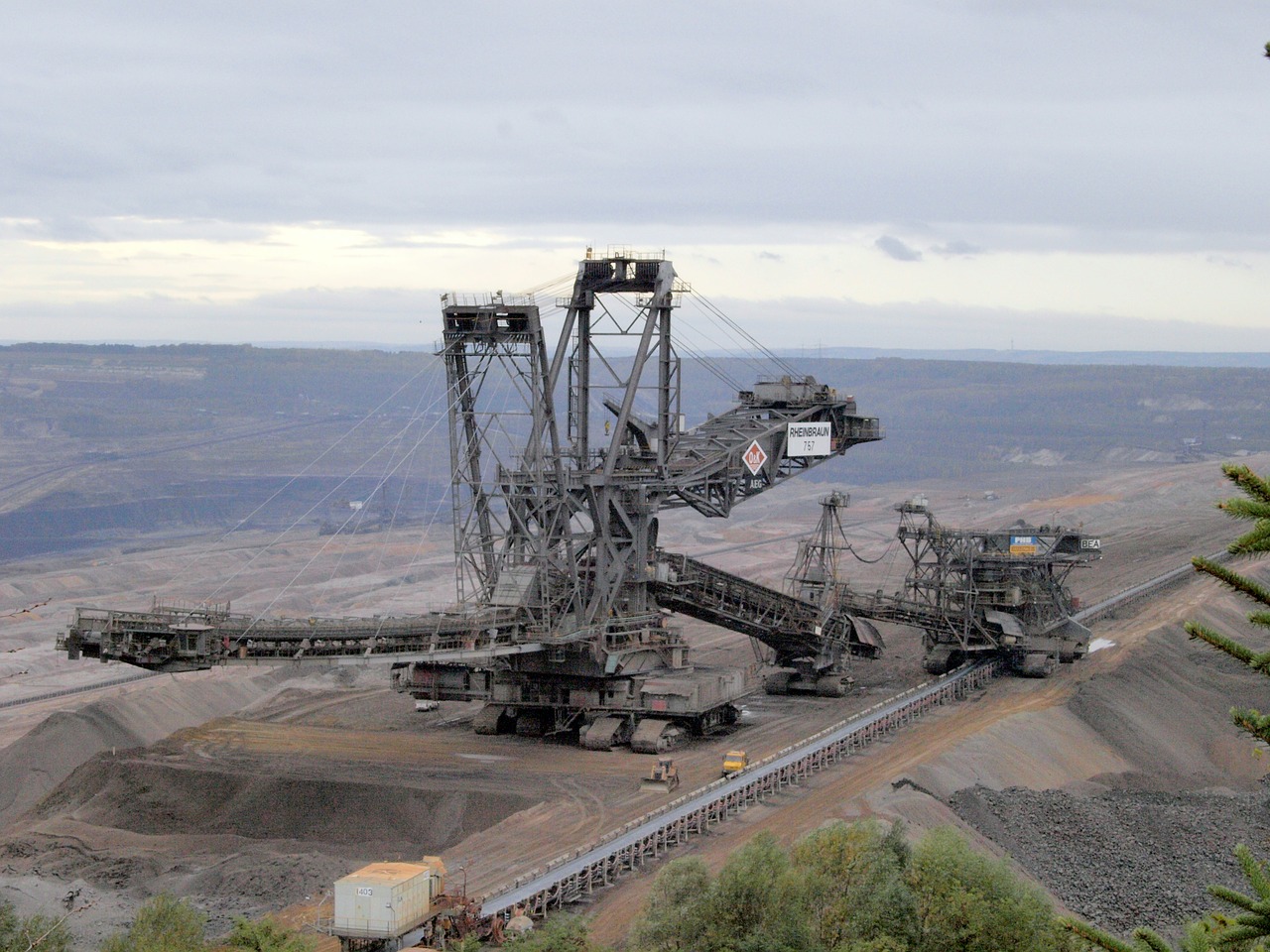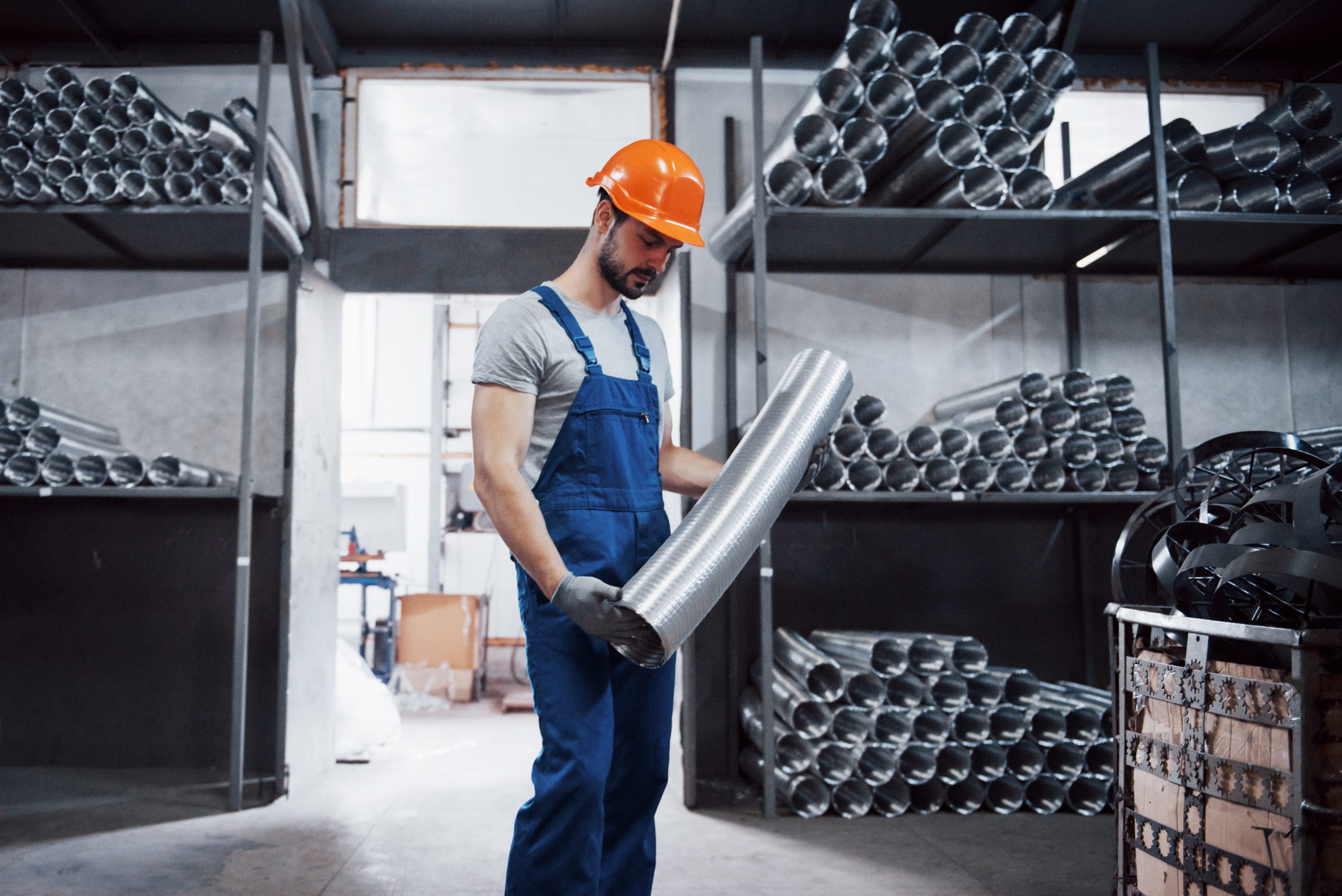

Picture a conveyor drive failing at the start of a night shift. The storeroom has a bearing on the shelf, but it is the wrong size, and the right one is weeks away by sea. Nothing about that night was bad luck. The gap had been sitting there for months.
Mining spare parts planning means ranking every component by what its failure would cost the mine, then matching stock levels and sourcing routes to that ranking. Vital parts with long lead times are held on site or on call. Routine consumables are ordered against a schedule. Buyers who skip this step usually pay for it in emergency freight and idle machines.
For South African mines the stakes reach well past the site fence. According to the Minerals Council South Africa, mining contributed R477 billion to the national economy in 2025 and employed about 470,000 people, so one stalled shift shows up in wages, exports and tax as well as tonnage.
What Makes Mining Equipment Spare Parts Critical for Mining Operations?
Maintenance takes a large bite of any mine’s budget. MaintainX puts it at 30 to 50 percent of operating costs, and notes that preventive and predictive strategies can cut unplanned downtime by more than 30 percent. A maintenance plan without the parts to carry it out is only a schedule.
Mideast Equip reports that unplanned downtime averages around $180,000 per incident, with haul trucks costing up to $130,000 an hour. FleetRabbit estimates that close to 23 percent of unplanned downtime across asset-intensive operations traces back to a part that was not available when needed. Those figures blend industries and come from vendor research, so read them as a direction, not a promise for your site.
A missing part rarely costs what it is priced at; it costs what the machine would have earned while waiting for it.
Anyone who has walked a mine storeroom has seen forty of something nobody uses beside an empty slot for the one item that stops the plant. Both come from buying stock by habit instead of by ranking.
Which Mining Equipment Spare Parts Should Be Planned in Advance?
Start with the machines that feed everything else, because when the primary crusher or main conveyor stops, the rest of the plant is only waiting:
- Crusher parts. Liners, jaw plates and mantles wear on a curve that a decent log can predict, so they are easy to plan and costly to forget.
- Conveyor system parts. Idlers, pulleys, belts, drive components. One idler is cheap, but a run of seized ones can damage the belt itself.
- Grinding mill parts. Mill liners and drive components. Heavy freight and long lead times make early ordering matter here.
- Engine parts. Engine spare parts such as injectors, turbochargers and overhaul kits, matched to the engine serial number, not just the machine model.
- Transmission parts. Clutch packs, seals and gears for loaders and haul trucks. Expensive and rarely stocked deep, so know the lead time.
- Filters. Cheap and frequent, and the first thing a stretched storeroom lets run out.
- Bearings. Dozens of sizes across a fleet, which is where mismatches creep in.
Heavy equipment spare parts for the mobile fleet need deeper cover, since a loader on a haul road gives less warning than fixed plant. The list also shifts with the commodity, so let your own failure history overrule any generic one, including this.
How to Build a Mining Equipment Spare Parts Procurement Plan
The plan begins with a ranking, not a budget. Score each part on three questions: what happens to production if it fails, how long it takes to arrive, and whether a second source exists. Maintenance teams often sort the result into vital, essential and desirable, a method usually called ABC-VED analysis. Vital parts, the ones that stop production on the spot, get guaranteed stock whatever they cost.
Next, write down the real lead time for each vital part, from order to storeroom door, using the last delivery and not the quoted figure. One small habit worth borrowing is to note the promised date and the actual date on the card for every vital part. After a year, the gap says more than any brochure.
Stock depth follows the ranking, and here the data challenges a common belief. According to FleetRabbit, best-in-class mining sites hold spares worth 1.5 to 2.5 percent of replacement asset value, while average performers hold 3.5 to 5.2 percent with no extra reliability to show for it.
The mines that lose the most shifts to missing parts are rarely the ones with the smallest storerooms, but the ones whose storerooms hold the wrong parts.
Orders should then be tied to the shutdown calendar. Planned shutdowns are the cheapest window for fitting parts, so order backwards from that date, with a margin for the route the part will travel.
How to Source Mining Equipment Spare Parts Efficiently
Mining spare parts sourcing gets easier once each vital part has a home route, meaning the supplier, the shipping path and the fallback are settled before the breakdown. A capable mining equipment parts supplier will help build it, quote against part numbers, and say plainly when a part is single-source.
The route matters more than buyers expect, especially into South Africa this year. Daily Maverick reported on 29 September 2026 that Durban Gateway Terminal switched to a new operating system in mid-August and that delays continued for more than a month past the planned changeover. SMM noted in July that Durban’s vessel delay indicator had climbed to roughly four days, and a Trademark Africa assessment found that border crossings keep end-to-end journeys slow even when ports improve.
Lead time is a property of the route, not the part.
Two moves help. Split vital parts across two sources or two routes where the part allows it, so one congested terminal cannot hold up the whole plan. Then ask every supplier for a route-specific estimate instead of a catalogue lead time, and treat any promise made before the cargo clears port as provisional.
What Information Should Buyers Provide When Ordering Mining Equipment Spare Parts?
Suppliers can only quote what they can identify. The more of this arrives in the first message, the fewer rounds of questions stand between enquiry and order:
- Machine make, model and serial number
- The OEM part number, or the number cast or stamped on the old part
- Photos of the part, the nameplate and the mounting area
- Measured dimensions and operating conditions for bearings, seals and similar fit-critical items
- Quantity, required date, delivery site
- Whether aftermarket alternatives are acceptable, and for which items
- A short note on how the old part failed
A part number is the cheapest piece of information a buyer can send and the most expensive one to leave out.
In our experience, a quote built on a serial number and part number moves faster than one built on a photo alone.
OEM vs Aftermarket Spare Parts: What Should Mining Buyers Consider?
Neither option wins on principle. OEM parts carry the manufacturer’s specification and, usually, its warranty. Aftermarket parts can cost less and often ship faster, but quality varies widely inside that market, so the useful question is which parts on which machines can safely go either way.
A workable position: safety-related components, parts under warranty and anything with tight tolerances lean OEM. High-turnover wear items and filters are where a verified aftermarket part earns its place, provided the supplier can show material and dimension specifications. This works well, but only when the specification is checked against the machine, because a near match on a fit-critical part costs more than any saving.
At Mantra Enterprise, the work on mining equipment spare parts covers OEM and aftermarket parts and filters for coal, metal and quarry operations, surface and underground, with freight consultancy available alongside the parts. Preference matters only when the buyer states it part by part, which is why the ordering list above asks for it.
How Can Mining Companies Reduce Spare Parts Procurement Delays?
Delays tend to come from four places: an unclear order, a single source, a late order and a slow route. The information list above fixes the first, a second qualified source fixes the second, and the shutdown calendar fixes the third.
The price of skipping this is measurable. According to Verdantis, buying a vital part in an emergency can add a procurement premium of three to five times on top of the downtime loss. Standing quotes for vital parts, renewed each quarter, take much of that premium out, and a pre-approved list of alternates helps too.
None of this removes delay entirely. Port and border conditions sit outside any buyer’s control, so the most a plan can do is shrink the surprise.
Mining Equipment Spare Parts Procurement Checklist
- Every vital part ranked and linked to its machine
- Real lead time recorded for each, taken from the last delivery
- A second source or route identified for single-source items
- Part numbers, serial numbers and photos filed in one place
- OEM or aftermarket decided part by part
- Orders back-timed from the next planned shutdown, with margin for the route
- Standing quotes for vital parts refreshed every quarter
- One named person who owns the list
What most buyers ask before placing an order [FAQ]
Q: What are the most common spare parts that need replacing in a mine?
A: Wear parts go first: crusher liners and jaw plates, conveyor idlers and belts, mill liners, filters and bearings. Engine and transmission components follow on the mobile fleet, mostly by hours worked. The exact order depends on the commodity and the machine, so your own failure log will beat any generic list. Track it for a few months and the pattern shows.
Q: How do you plan spare parts for a mine?
A: Rank parts by what their failure costs, record the real lead time for each, and set stock depth from that ranking rather than from habit. Back-time orders from the next planned shutdown, leave margin for the shipping route, and review the ranking every quarter, because machines get modified, retired or replaced and the list has to follow them.
Q: Are aftermarket parts as good as OEM for mining equipment?
A: It depends on the part. Verified aftermarket parts suit many wear items and filters, while safety-related and tight-tolerance components lean OEM. Mantra Enterprise supplies both, so the choice can be made part by part instead of forcing one option across a whole order. Whichever route you take, ask the supplier for material and dimension specifications before you commit to the order.
Q: How long does it take to import mining equipment spare parts into South Africa?
A: No single number holds. Lead time is the sum of stock pick or manufacture, sea or air freight, port clearance and the inland leg, and the port and border pieces have been unpredictable in 2026. Ask the supplier for a route-specific estimate, treat it as provisional until the cargo clears port, and build a margin into any shutdown date.
Where to start this week
Pick one machine, the one whose stoppage would hurt most. Pull its failure history, mark the three parts that would keep it down longest, and write down where each would really come from and how long the last one took to arrive. One page like that is the beginning of your mining spare parts plan, and it fits in an afternoon. If any of the three is hard to place, send the model, serial number and part numbers to Mantra Enterprise and ask for a quote before the breakdown sets the timeline.
A spares plan does not prevent every breakdown; it decides whether a breakdown costs a shift or a week.