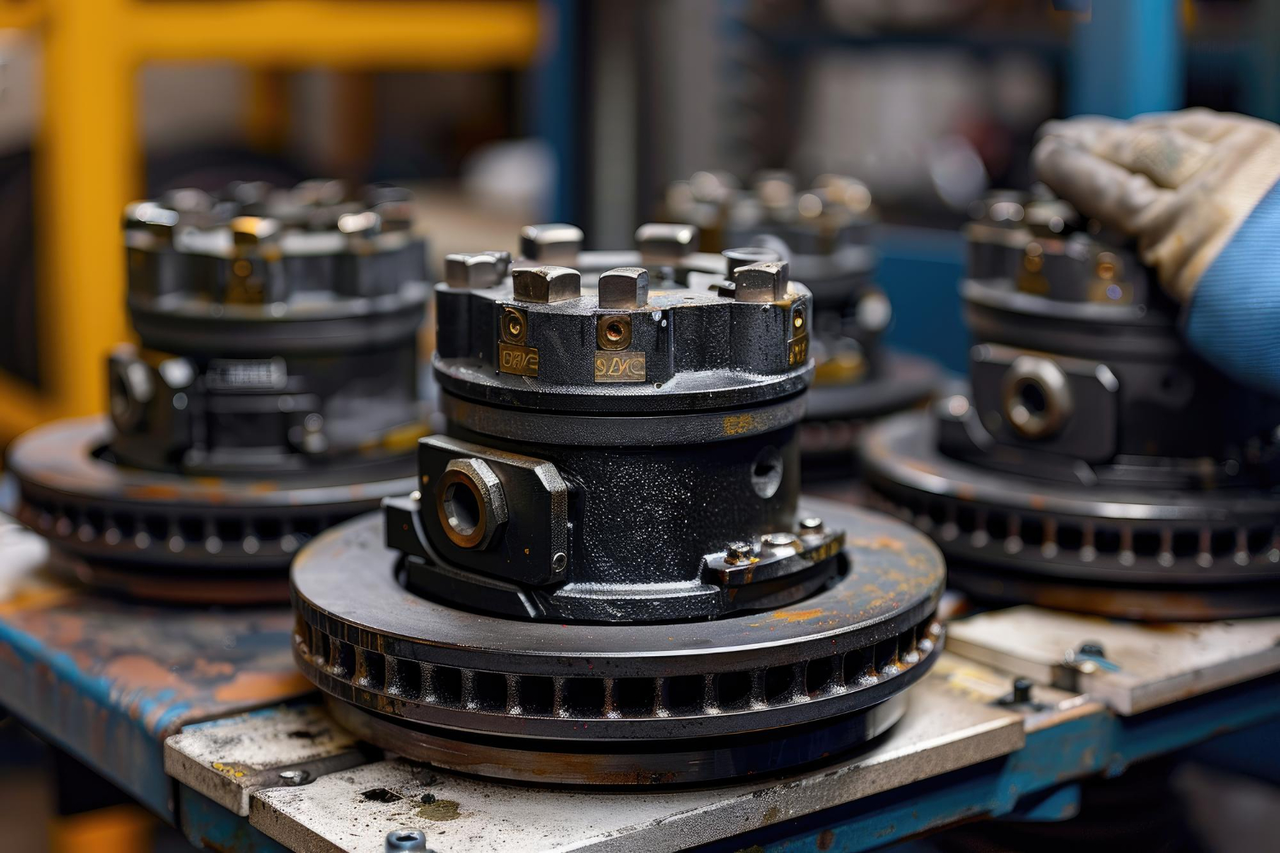

An excavator sits dead on a busy highway site in Maharashtra. The site supervisor needs the machine moving fast. Desperate for a quick fix, he orders a replacement hydraulic pump based on a quick visual check and an outdated parts catalog.
Five days later, a wooden crate arrives at the yard. The mounting bracket looks right. But when the mechanic tries to install it, he finds the drive shaft spline count is off by two teeth.
The part is useless. The machine stays frozen in the mud. And the project manager loses thousands of dollars every single day in standing charges.
When ordering heavy equipment spare parts in India, double-checking technical details before sending money is the only way to protect your project budget and tight delivery schedules. Whether you manage CAT excavators, JCB backhoes, Komatsu dozers, Volvo haulers, or SANY cranes, you need a simple, foolproof pre-order verification process.
Unplanned machine breakdowns burn through working capital fast. Industry research shows that unexpected equipment failure costs operators an average of $260,000 every hour across major industrial sites (Vanson Bourne / ServiceMax, 2023). The best way to stop these losses is catching errors long before parts leave the warehouse.
The Danger of “It Looks Right” Parts Purchasing
The biggest mistake fleet buyers make is assuming that if a part looks right in a photo, it will fit the machine.
Heavy equipment manufacturers update their designs constantly. Two machines with the exact same model badge built just 18 months apart can use totally different hydraulic pressures, oil seals, or bolt patterns.
Data from the Indian Construction Equipment Manufacturers Association (ICEMA) in 2025 shows that waiting for non-stocked engine spares takes an average of 14 to 21 days across Indian job sites. Ordering the wrong part means waiting weeks for a replacement while your operators sit idle and site costs pile up.
Working with a reliable heavy equipment parts supplier means having a partner who cross-checks technical details upfront so every part fits on the very first try.
What Happens When You Order the Wrong Part?
- THE ROOT CAUSES OF FITMENT FAILURES
Buying from Photos: Ordering from catalog pictures without checking chassis serial numbers.
Missing Factory Updates: Overlooking mid-year design changes like new spline counts or modified bolt patterns.
Long Shipping Delays: Waiting 14 to 21 days for replacement stock to arrive at your site.
- THE BOTTOM LINE: Complete Site Stoppage (Losses averaging $260,000 per hour)
Your 6-Point Pre-Order Verification Checklist
Never send a purchase order based on a part name or a visual guess. Before paying for any order, verify these six key details with your parts stockist:
- Full Machine Serial Number and Build Date: Engine tuning, hydraulic flows, and wiring setups change depending on when and where the machine was built.
- Exact OEM Part Number and Revision Code: Manufacturers regularly update part numbers. Always check if an old number has been replaced by a newer design.
- Precision Dimensions: Measure shaft diameters, bolt spacing, spline counts, and pin sizes with digital calipers instead of guessing.
- Steel Grade and Hardness Rating: High-wear parts like bucket teeth need high Rockwell hardness ratings (45–52 HRC) so they do not snap under heavy rock work.
- Site Working Conditions: Dusty quarries and humid coastal projects need heavy-duty filters, double-lip seals, and special anti-rust coatings.
- Wear on Surrounding Parts: Putting a brand-new sprocket on a stretched, worn-out track chain will destroy both parts in a matter of weeks.
Simple Pre-Order Audit Routine
THE SMART PROCUREMENT ROUTE
Step 1: Check the Serial Number ➔ Match the chassis number against factory service books.
Step 2: Measure on Site ➔ Use calipers to measure splines, pin diameters, and bolt holes.
Step 3: Check Steel Certs ➔ Confirm heat treatment ratings (45–52 HRC for wear parts).
YOUR RESULT: Perfect First-Time Fitment and Zero Downtime
THE RISKY PURCHASING ROUTE
Risk A: Buying parts based on catalog photos or generic part names alone.
Risk B: Ignoring mid-year design updates made by the manufacturer.
Risk C: Buying cheap gray-market parts just to save a few rupees upfront.
YOUR RESULT: Wrong Parts, Extra Freight Bills, and Frozen Machines
How to Categorize Your Machinery Spares
Smart fleet managers do not wait for a machine to break down before looking for parts. They organize their inventory based on how fast parts wear out and how long they take to arrive.
Tier 1: Fast-Wear Items (Keep On-Site)
Parts Included: Undercarriage rollers, bucket teeth, filter kits, and hydraulic seals.
Sourcing Strategy: Keep these stocked on-site or pre-order before busy seasons (0–2 days lead time).
Risk Saved: Prevents immediate work stoppages and keeps site crews working.
Tier 2: Structural and Moving Components (Keep Regional)
Parts Included: Track chains, sprockets, drive shafts, and main hydraulic pumps.
Sourcing Strategy: Keep these ready in regional warehouses (3–5 days lead time).
Risk Saved: Stops broken parts from damaging connected assemblies.
Tier 3: Core Engine and Powertrain (Order as Needed)
Parts Included: Engine rebuild kits, main transmissions, and control valves.
Sourcing Strategy: Dispatch through verified global supplier networks (7–10 days lead time).
Risk Saved: Avoids long project delays and massive capital losses.
Organizing your parts stock saves real money. Independent industry research shows that staging inventory early cuts total equipment repair costs by 12% to 18% (McKinsey & Company, 2024).
Understanding Genuine, OPM, and Aftermarket Parts
Knowing the difference between parts channels helps you make smart decisions for your budget and machine lifespan.
Plaintext
THE 3 TYPES OF SPARE PARTS EXPLAINED
[ GENUINE OEM PARTS ]
- Cost: Highest price due to full dealer markups
- Fitment: Guaranteed direct factory fit
- Best For: Machines still under factory warranty
[ DIRECT OPM PARTS ]
- Cost: Saves 15% to 25% compared to dealer prices
- Fitment: Made in the same factory as OEM parts
- Best For: Out-of-warranty machines needing top quality
[ HIGH-GRADE AFTERMARKET ]
- Cost: Saves 30% to 40% compared to dealer prices
- Fitment: Verified using serial numbers
- Best For: Heavy earthmoving and high-wear mining work
Genuine OEM Parts:
These come in original brand boxes. Fitment is guaranteed, but dealership markups are high, and local stockouts can leave you stranded.
Direct OPM (Original Part Manufacturer):
These are made in the exact same factories that build parts for major tractor and digger brands, but sold without the brand box. You get identical quality at 15% to 25% lower prices.
High-Grade Replacement Heavy Equipment Parts:
These are built by independent engineering foundries. When bought through strict quality checks, these replacement heavy equipment parts give you great performance per operating hour at much lower costs.
Essential Quality Papers You Must Ask For
Before paying for heavy machinery spare parts, always ask your stockist for written quality proof. Honest suppliers will gladly share inspection reports showing their parts meet factory standards.
4 Quality Checks to Confirm Before Buying:
Hardness Test Certificates (HRC): Proves the steel was heat-treated correctly so bucket teeth and track shoes do not snap during hard rock work.
Dimensional Inspection Sheets: Shows that measurements were verified using digital calipers so hydraulic pumps, seals, and bearings fit smoothly.
ISO Quality Certifications: Confirms the factory uses standardized manufacturing methods for consistent quality across every batch.
Written Warranty and Service Agreements: Spells out vendor support if a part fails early on your site.
The True Cost of Cheap Components
Saving 30% on an uncertified hydraulic filter looks like a great deal on paper. On an active job site, it is a disaster waiting to happen.
If a cheap filter element collapses under pressure, microscopic metal dust shoots straight into your main pump and control valves. A small upfront saving instantly turns into a massive repair bill.
Ordering the wrong parts damages your project in three direct ways:
- Wasted Capital: Money tied up in useless parts sitting on wooden pallets in your yard.
- Extra Shipping Costs: Emergency return fees, supplier restocking charges, and expensive rush freight for replacement orders.
- Cascading Project Delays: Idle operators, missed earthmoving targets, and heavy contractual penalties for late project delivery.
Setting up a simple pre-order verification routine eliminates these extra costs so every part that arrives goes straight to work.
Questions to Ask Your Supplier Before Ordering
If your parts supplier cannot answer these four questions clearly, it is time to find a better partner:
Question 1: Do you double-check part numbers against our machine’s chassis serial number before shipping?
Question 2: Can you give us written steel hardness test reports for high-wear ground tools?
Question 3: Can you pack filters, loader teeth, and seal kits into one single freight delivery?
Question 4: What is your guaranteed dispatch time when a machine breaks down unexpectedly on site?
Sourcing Parts Efficiently with Mantra Enterprise LLC
Avoiding purchasing mistakes requires a supply partner with deep technical knowledge, global warehouse networks, and trusted factory connections. Mantra Enterprise LLC offers complete spare parts programs for construction, mining, and industrial operations across 50+ countries.
With over 19 years of practical field experience across 60+ equipment lines, Mantra Enterprise LLC helps site managers source reliable heavy equipment spare parts in India.
From undercarriage assemblies and bucket teeth to engine overhaul kits and hydraulic main pumps, their technical team verifies every specification to give you exact fitment, longer part life, and maximum uptime on every job site.
Technical Review & Quality Assurance:
This procurement guide was reviewed for technical accuracy by the Senior Equipment Engineering Team at Mantra Enterprise LLC, drawing on over 19 years of heavy machinery maintenance experience across construction and mining operations worldwide.