
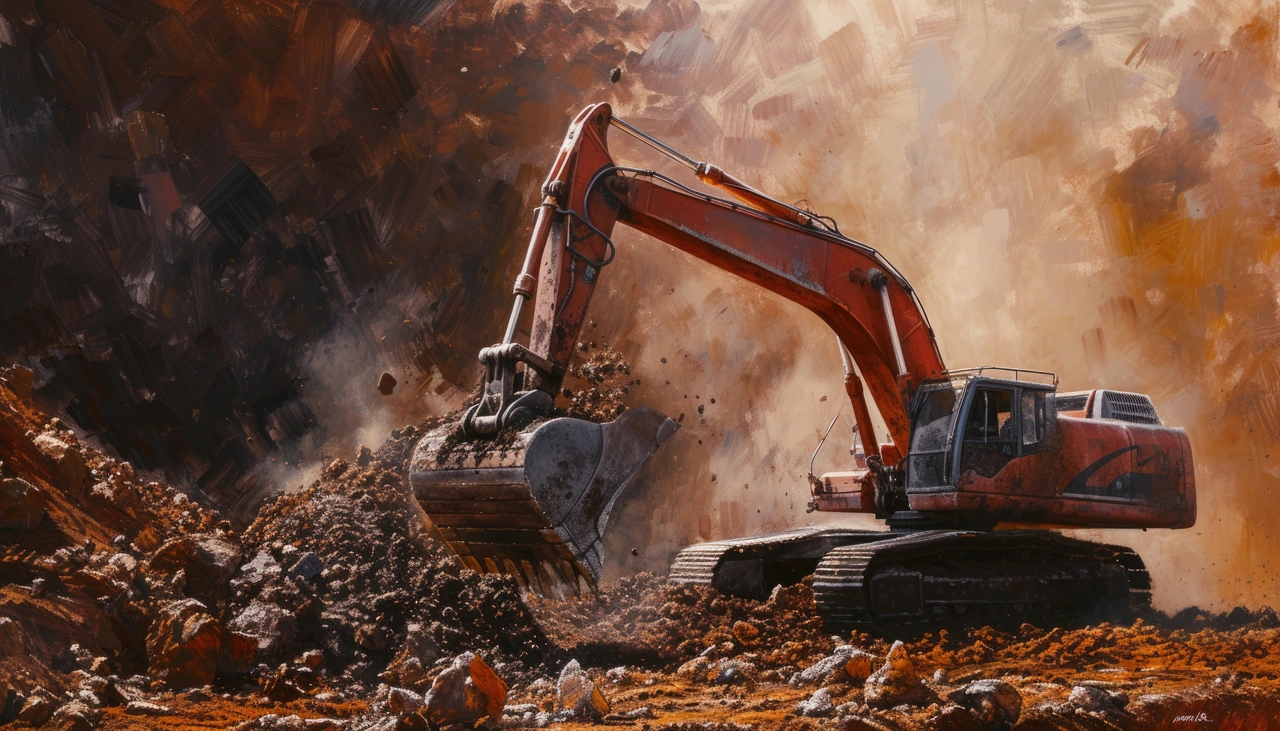
A bucket tooth may wear down without breaking off or falling out. An excavator may continue working, but the component will not be as effective at penetrating the ground. The process can be gradual, meaning that worn equipment is not always immediately apparent.
Replacing a worn part is usually straightforward. The challenge is deciding which tool to buy.
Mining companies sourcing Ground engaging tools in South Africa need to consider the machine, ground conditions and the tool itself when selecting a replacement. A tooth may be suited to digging through compacted earth but wear quickly when exposed to more abrasive material. A cutting edge may look compatible with a bucket or blade but still fail to fit correctly.
Cost is always a consideration, but it is rarely the most important factor. Components that require frequent replacement can be costly when labour, downtime and other expenses are factored in.
Mantra Enterprise LLC offers ground engaging tools as part of its range of heavy equipment parts. This article discusses the common GET types, considerations for choosing a replacement and factors in comparing options for mining.
What Are Ground Engaging Tools?
Ground engaging tools (GET) are equipment parts that directly interact with the ground during digging, cutting, grading and other activities. Various tools help excavators, loaders, bulldozers and other machines to penetrate, cut through and move materials with a combination of force and precision. The tools are subjected to intense abrasion and impact, which can lead to wear over time.
An excavator’s bucket teeth assist in digging by penetrating the ground. Cutting edges on a loader’s or bulldozer’s bucket help to cut, scrape, push or level the material. Adapters connect teeth to the bucket, and their design influences the fit and retention. Pins and locks secure the connection, and side cutters and wear plates protect vulnerable areas from excessive abrasive forces.
Each component type interacts differently with the ground and has varying levels of mechanical stress. A tooth exposed to high abrasion may behave differently than one subjected to impact. The rate of wear is also influenced by the component’s design, the machine and the work cycle.
The material composition varies between GET types and manufacturers. Hardened, alloy or carbide steel variants are common, but the choice is not always evident from the advertised material. The tool’s design and intended use are also significant considerations.
Equipment buyers need to ensure that the component is suited to the machine and the task. It should also be compatible with associated parts like the bucket, adapters and retaining mechanisms.
What Ground Engaging Tools Are Used in Mining?
GETs used in mining and earth-moving typically fall into broad categories. Each component type has specialised functions, and there may be variations within a category. Replacement considerations vary between component types.
Alt text: Ground engaging tools and replacement wear parts for heavy earthmoving equipment
Bucket Teeth and Excavator Bucket Teeth
Excavator and loader bucket teeth are mounted on a bucket to assist in penetrating the ground. The profile of the tooth influences its performance, and different shapes are suited to varying applications. One design may be ideally suited to penetration, while another may be more resistant to abrasive forces.
The profile will also influence the fit and compatibility with an excavator’s bucket. The bucket design, its compatibility with an adapter and the retention mechanism also influence the choice.
When requesting an excavator bucket teeth quotation, ensure to state the existing part number, profile, adapter and retention arrangement. Two teeth may look similar at first but have subtle differences.
Alt text: Replacement bucket tooth for excavator and loader buckets
Cutting Edges
Loader and bulldozer cutting edges are mounted on a bucket’s bottom edge to help penetrate, cut through, push or scrape the material. They also protect the bucket’s edge from excessive wear. The length and width of the cutting edge, along with its thickness and profile, influence its performance.
It is essential to compare the relevant mounting hole size, location, length and profile when selecting a replacement. A similar general size may not always be sufficient. The choice also depends on the specific application, including the likely material interaction.
Adapters, Pins, and Locks
Adapters connect teeth to the bucket, and pins and locks secure the connection. Compatibility with teeth, the bucket and the retention mechanism is vital. It may not be possible to replace one worn component if another is also not suited to the new part.
Before selecting a replacement, ensure that the associated components are also compatible.
Side Cutters and Wear Plates
Side cutters protect the edge of a bucket. Wear plates also protect specific surfaces from abrasive forces. The choice of side cutter or wear plate depends on the bucket type and how it is likely to interact with the material. Plates may also be necessary to protect mounting areas.
It is essential to inspect related components alongside the teeth or cutting edges. This practice ensures that no unexpected additional wear or damage is discovered during component removal.
Ripper Teeth
Ripper teeth are mounted onto compatible ripping equipment to help penetrate and break up the ground. The choice of rippers depends on the equipment, its attachment mechanism and the material.
Ripper components are not always interchangeable, even when the shape seems similar. It is therefore essential to research the size, attachment mechanism and other relevant specifications before buying a replacement.
How Do You Choose Ground Engaging Tools for Mining in South Africa?
The machine and ground conditions should always be the starting point for component selection. The next step is to consider the relevant component specifications, its likely wear patterns and supplier considerations.
There are four key considerations when choosing a replacement GET.
1. Match the Component to the Ground Conditions
The ground conditions during excavation influence the wear patterns of most components. There are two key factors to consider: the component’s ability to penetrate the material and its resistance to wear.
For example, a tooth may penetrate compacted earth effectively but wear quickly when exposed to an abrasive material. Another type may resist abrasive forces but is not suited to high-impact activities. The following table can help match the likely ground conditions to the component selection criteria.
| Working condition | Consideration |
| Soil or softer overburden | Does the profile suit the likely ground interaction? |
| Compacted ground | Is penetration sufficient? |
| Highly abrasive material | What level of resistance to abrasive forces is required? |
| Broken rock with repeated impact | How well can the component withstand impact? |
| Mixed ground conditions | What is the dominant material type and interaction? |
These are general guidelines for choosing a component type based on ground conditions. It is always necessary to evaluate the actual material, machine and application. Component wear patterns can also be informative, as they indicate how well the tool performed in a particular application. If teeth are becoming worn quickly or failing to penetrate, it is necessary to revisit the selection criteria. The same applies to impact-related damage or excessive deformation.
2. Check Compatibility Before Ordering
The brand and model of the machine give a useful indication of component compatibility, but it is not always sufficient. Bucket design, adapter type, tooth profile, and retention mechanism all influence the fit. Similarly, cutting edges need to fit within the relevant bucket dimensions.
It is always necessary to check compatibility before ordering replacement parts. The following details should be provided when requesting a quotation:
- Equipment brand and model.
- Part number, if available.
- Equipment serial number or other identifying details, if available.
- Bucket or attachment configuration details.
- Existing component’s dimensions and profile.
- Photos of the component and its mounting arrangement.
- Quantity and delivery address.
If the part number is unavailable, the other details should help to identify a suitable replacement. These details should always be provided when requesting a quotation, but they should not be mistaken for guarantees of compatibility. It is always necessary to verify the specifications before confirming the order.
This step is especially important when dealing with overseas suppliers. It is much easier to sort out compatibility issues before a component is dispatched than to deal with the additional costs and inconvenience of returning it.
3. Consider Wear Life, Not Just Material Hardness
A component’s material composition influences its performance, but it is rarely indicative of its suitability for a specific application. Design, material, impact resistance and other factors are much more informative. One component may be ideally suited for one application, while another performs poorly due to inadequate impact resistance.
It is always necessary to evaluate the wear patterns of existing components. If teeth, for example, are wearing down quickly, it may be an indication of excessive abrasion. It is important to investigate the likely causes before selecting a replacement. Similarly, excessive cracks and impact damage often indicate that the existing component is not suited to the application or that another component, such as the adapter, is faulty.
When possible, it is always necessary to compare the likely wear life of different options. If there are records of similar components and their performance, it is much easier to estimate the likely wear life based on the expected operating conditions. It is also important to consider the maintenance requirements and other additional costs when comparing component options.
4. Compare the Options Before Buying
It can be tempting to choose the cheapest option, especially if multiple machines require spares. A lower purchase price is rarely the most cost-effective solution, especially when the component needs to be replaced more frequently.
It is always necessary to compare the available options based on specific selection criteria.
| Selection factor | Considerations |
| Ground conditions | Material, abrasive forces and impact |
| Equipment compatibility | Machine, bucket, attachment and mounting requirements |
| Component specifications | Profile, dimensions and material details |
| Wear history | Operating hours and replacement reasons |
| Maintenance requirements | Inspections and replacement procedures |
| Purchase cost | Component price and additional parts |
| Supply considerations | Availability, lead time, freight and import duties |
If there are maintenance records for similar components, it is possible to compare the operating hours and other relevant details to determine which option is the most cost-effective. In many cases, a more expensive component will provide better value due to its extended operating life. This is especially true for components with similar specifications. It is important to remember that a component’s value proposition is rarely solely dependent on its purchase cost.
It is also essential to consider the supply factors, especially when dealing with international suppliers. Differences in freight costs, lead time, import duties and other considerations can greatly affect the final cost.
How Often Should Bucket Teeth and Cutting Edges Be Replaced?
There are no hard and fast rules when it comes to replacement intervals for bucket teeth and cutting edges. It is always necessary to inspect the component to determine if there are visible signs of excessive wear, damage or deformation. The following are also general indications that a component may need to be replaced:
- Excessive wear or loss of profile.
- Reduced penetration capability or change in performance.
- Cracks, chipping or deformation.
- Damage, wear or looseness in the retention mechanism.
- Visible uneven wear on the component.
- Unusual wear on associated components, including retention mechanisms.
- Inspection recommendations from the relevant equipment manufacturer or supplier.
- Loss of fit or functionality due to damage or wear.
These are general guidelines, and it is always necessary to consult the relevant equipment supplier or manufacturer before replacing any component. If there is visible damage or excessive wear, it is important to investigate the cause before proceeding. When considering a replacement, it is essential to inspect the component in conjunction with relevant mounting details and other associated components. A damaged or worn retention mechanism, for example, can affect a tooth’s fit and cause uneven wear.
Maintenance records can help determine replacement intervals for worn components. Useful details to record and/or look out for include the following:
- Equipment details and operating hours.
- Component part number.
- Installation and replacement dates.
- Condition during inspection or replacement.
- Reason for replacement and observations.
- Material and operating conditions, if relevant.
It is always necessary to adhere to the relevant equipment manufacturer’s maintenance recommendations when replacing any component. A suitable replacement will depend on the application, so it is essential to consult the relevant supplier or manufacturer.
How Much Do Ground Engaging Tools Really Cost?
The purchase price of a ground engaging tool varies depending on the component type, specifications and supplier. It is always necessary to request multiple quotations and compare the options based on relevant criteria.
One approach to comparing different GET options is to calculate the cost per operating hour:
Cost per operating hour = Total replacement-cycle cost ÷ Operating hours before replacement
The following example illustrates how the cost per operating hour can vary between two options:
| Cost measure | Option A | Option B |
| Purchase price | $400 | $550 |
| Labour per replacement | $100 | $100 |
| Attributable downtime cost | $200 | $200 |
| Operating life | 100 hours | 150 hours |
| Total cost per replacement | $700 | $850 |
| Cost per operating hour | $7.00 | $5.67 |
In this example, option B has a higher purchase price and total cost per replacement but a lower cost per operating hour. This is because it can operate for 50% longer before another replacement is required. The calculation is only an indication, and the final figures will depend on the specific costs and operating conditions. It is important to remember that a more expensive component will not always last significantly longer, which is why it is essential to compare options based on the relevant cost measure.
When comparing different GET options, always consider the relevant purchase price, labour, downtime and operating hours. Use recorded costs where possible and ensure that the operating conditions are similar for each option. The following are additional considerations when comparing GET options:
- Component specifications.
- Maintenance records and requirements.
- Additional costs, including import duties.
- Lead time and availability.
- Warranty period and terms.
- Replacement procedures and requirements.
It is always necessary to carefully weigh up the options when comparing different GET suppliers. If there are existing maintenance records for some of the shortlisted options, it can be much easier to accurately calculate the cost per operating hour. This is an especially important consideration when comparing suppliers with different pricing strategies. It may also be necessary to conduct further research to fill in any gaps in the available data.
What Should You Look for in a Ground Engaging Tools Supplier?
Many buyers focus too closely on the purchase price when selecting a supplier. It is always necessary to ensure that the component is suited to the intended application. There are additional considerations when comparing suppliers, including the following:
- Availability and lead time: Confirm that the component is available in the required quantity. If it is not in stock, ask when it will be available and when it can be delivered to the destination.
- Compatibility: Provide the equipment model and other relevant details, if possible. Ask for clarification on the specifications and mounting requirements.
- Product information: Ask for the product specifications and any additional information relevant to the component’s compatibility and performance.
- OEM and aftermarket options: If there are options from both OEM and aftermarket suppliers, compare the specifications, fit, warranty and other considerations. Neither category should be ruled out simply because the other is available.
- Commercial terms: Clarify the payment terms, applicable discounts and any additional costs.
- Shipping and delivery: Establish the delivery address, freight cost, lead time and any applicable import duties before finalising the order.
When sourcing components overseas, it is even more important to ask the right questions. A similar component may not always be suitable, and a lead time can change drastically depending on the supplier.
How Does Mantra Enterprise Help With Ground Engaging Tools?
Mantra Enterprise LLC offers ground engaging tools as part of its range of mining equipment parts and other heavy equipment parts. The company’s website has a ground engaging tools category and a separate page for replacement bucket teeth. Buyers can use the pages to browse the available product categories and get in touch to discuss the requirements.
When contacting Mantra Enterprise, always provide the following details:
- Equipment brand and model.
- Part number, if available.
- Bucket or attachment configuration.
- Quantity.
- Delivery address.
- Operating conditions and any relevant wear or damage concerns.
If a component is operating in highly abrasive conditions or subjected to excessive impact, it is essential to mention this when enquiring about a replacement. It helps the supplier to recommend a component that is suited to the operating conditions. Mantra Enterprise provides general product information on its website, but it is always necessary to confirm the specifications, availability, lead time and delivery cost directly with the supplier. The company does not list stock information or delivery times specific to South Africa.
Frequently Asked Questions
What are ground engaging tools used for in mining?
Ground engaging tools are equipment parts that assist in digging, cutting, grading and moving material. Common GETs include bucket teeth, cutting edges, adapters, side cutters, wear plates and ripper components. Regular inspections identify signs of wear and damage that may require maintenance or replacement.
How do I choose ground engaging tools for South African mining?
The machine and ground conditions are always the starting point for selecting a replacement component. Other considerations include the bucket or attachment configuration, component profile, compatibility and wear history. It is essential to confirm availability, delivery arrangements and overall cost before replacing any part.
Which bucket teeth are best for hard-rock mining?
The choice of bucket teeth depends on the rock type, its abrasiveness, impact resistance, the machine and the bucket configuration. It is necessary to compare the relevant profile options based on penetration capability, resistance to abrasive forces and likelihood of sustaining impact damage. Always follow the equipment manufacturer’s recommendations when selecting a replacement.
What is the difference between OEM and aftermarket ground engaging tools?
Original equipment manufacturer (OEM) parts are produced by the equipment supplier, while aftermarket parts originate from other manufacturers. The specifications, fit, materials, warranty, performance, cost and other considerations vary between the two categories. Always compare the actual specifications and value provided by each option.
How can I tell when excavator bucket teeth need replacing?
Visible signs of excessive wear, deformation, cracks, chipping and reduced penetration capability indicate that the excavator bucket teeth need replacing. It is also necessary to inspect the adapter and retention mechanism for damage or excessive wear. If in doubt, always consult the relevant equipment supplier or manufacturer to discuss the best course of action.
How can I reduce the cost of ground engaging tools?
Record the purchase price, operating hours, relevant labour and other costs associated with a component. When comparing different options, always consider the cost per operating hour and look for the most value for money. It is also necessary to investigate other potential causes of excessive wear and damage.
Where can I find ground engaging tools for mining machines in South Africa?
Mantra Enterprise LLC offers ground engaging tools on its website. South African buyers can contact the company to discuss the requirements in detail. Always confirm the specifications, availability, lead time, freight cost and commercial terms before placing an order.
Choosing the Right Parts for Your Operation
Ground engaging tools bear the brunt of the forces exerted during digging, cutting and other earth-moving activities. Choosing the right replacement requires more than simply comparing the purchase cost and general appearance. It is necessary to consider the machine, application, component specifications and other relevant factors.
Checking component compatibility, reviewing maintenance records and comparing the available options are all essential steps when replacing a worn GET. The additional considerations also provide useful insight into the comparative value of different options. By taking these steps, buyers can ensure that they are comparing like-for-like options and avoiding any unnecessary expenses.
For mining buyers sourcing ground engaging tools in South Africa, the primary focus should be on identifying the required component and reviewing the relevant details. It is essential to confirm the component specifications and supply terms before placing an order. Mantra Enterprise LLC lists ground engaging tools and bucket teeth for excavators amongst its heavy equipment parts. Contact the supplier to discuss the requirements in detail.